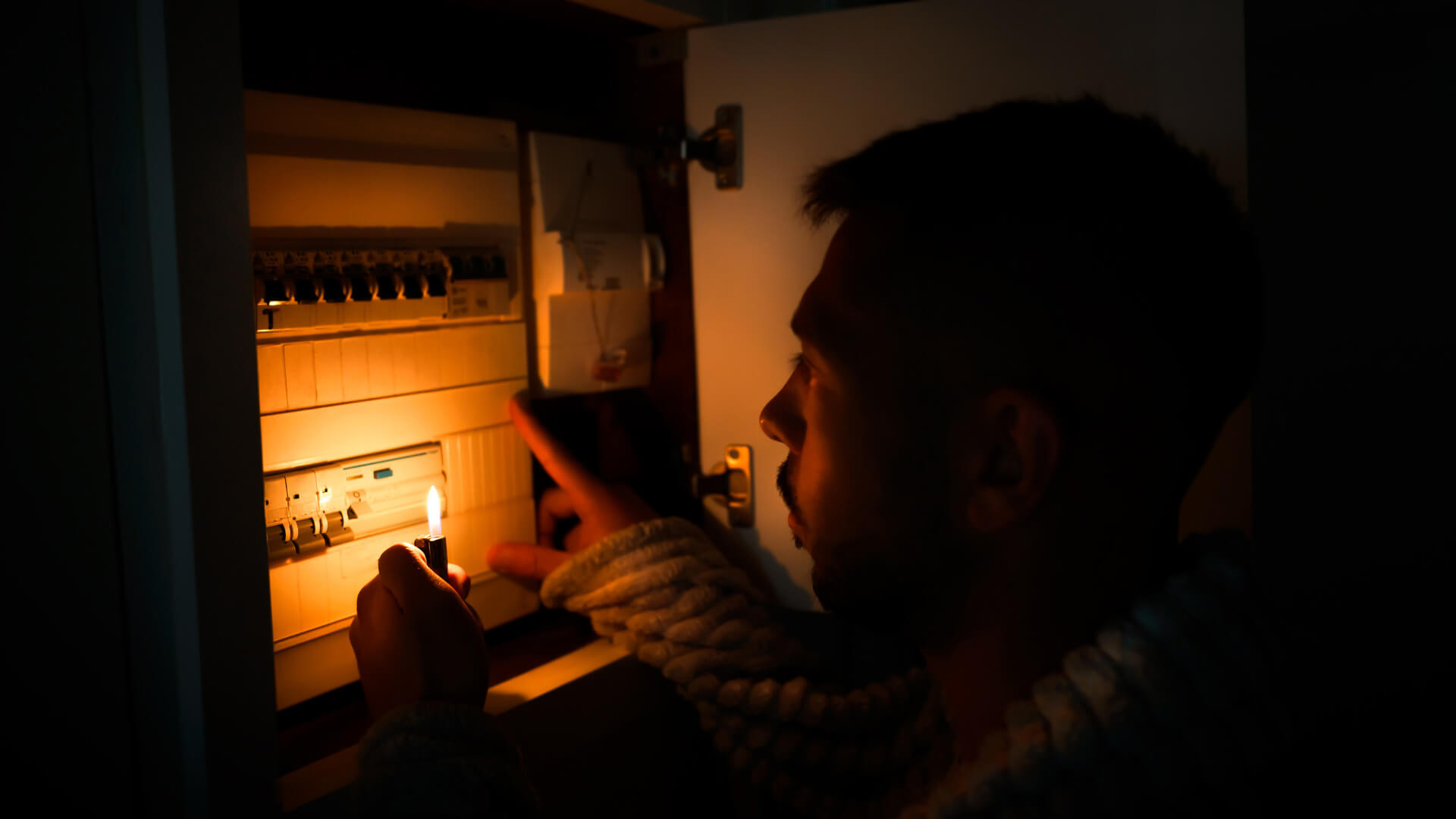
A standby generator is designed for when a storm knocks out power, and the house suddenly goes quiet. The air conditioning shuts off, the refrigerator stops humming, and the outage map starts lighting up red.
With a properly installed system, that interruption can be brief. The generator starts automatically, without anyone going outside or handling gas cans in bad weather.
We’ve been wiring homes across the First Coast since 2001, so we’ve seen what happens before, during, and after Northeast Florida storms. Here’s what homeowners should know about backup power and what to plan before hurricane season.
Portable versus standby
The simplest way to think about it is that a portable generator is something you bring out and set up when the power goes out, while a standby generator is permanently installed as part of your home’s electrical system.
A portable generator can usually keep essentials like the refrigerator, lights, outlets, chargers, and sometimes a window air conditioning unit running, but central air is often too much because of the power it needs at startup. It also takes more hands-on work: you start it manually, keep it fueled every few hours, and run extension cords to whatever you want to power.
Because portable generators produce carbon monoxide, where you place them matters just as much as how you use them. They need to run well away from the house and clear of windows, doors, and vents, never in a garage, on a porch, or anywhere exhaust could make its way inside.
A standby generator works differently because it’s permanently mounted outside, connected directly to your electrical panel, and fueled by natural gas or propane. That means no extension cords, no gas cans to refill, and no one needs to be home to start it when the power goes out.
How a standby unit starts by itself
A standby generator handles an outage without you doing anything. The transfer switch keeps an eye on your utility power, and if the power goes out, it waits a few seconds to make sure the outage is real before telling the generator to start. Once the generator is running steadily, the system switches your home over to backup power, usually in less than 30 seconds.
When utility power comes back, the system handles that automatically too. It makes sure the power is stable, switches your home back to the grid, lets the generator cool down for a few minutes, and then shuts it off. Power returning after a storm can arrive unevenly, one reason many homeowners pair backup power with whole-home surge protection.
You may also hear the generator run briefly on a normal day. That’s usually just its scheduled exercise cycle, which helps keep the system ready for the next outage.
Why the installation matters as much as the generator
The generator is only part of the system, but how it’s installed determines whether it can safely and reliably power your home during an outage.
-
The transfer switch.
This is what lets the generator take over automatically while keeping your home safely separated from the utility grid. That separation also protects utility crews from power feeding back onto lines they’re working on, and it’s why the switch is required, permitted, and inspected.
-
The load calculation.
Your system needs to be sized around what you actually want to power, whether that’s the whole house or just the essentials. The fuel supply has to be sized correctly too. A gas line that’s undersized for the unit will pass a brief test run and then stumble under real load hours into an outage.
-
Permitting and inspection.
Generator installations need to meet local requirements for permits, placement, clearances, and, when applicable, gas work. In Jacksonville, JEA also has to approve a standby generator installation before the work starts, which is a step homeowners rarely know about. In our part of Florida, placement means keeping the unit above expected flood levels too. The final inspection confirms the system was installed correctly and is ready when you need it.
Choosing the right generator installer
A standby generator is only as dependable as the installation behind it. Schuman Electric carries our family name because the company is wholly family-owned and operated, and a strict advance-from-within policy means the technician setting your transfer switch was trained here to the standards we built the company around.
As a Generac Authorized Dealer, we handle the full process, from sizing and permitting to installation and inspection, so homeowners have one team responsible for getting the system set up correctly.
Backup power is something you hope you rarely need, but when the power goes out, it needs to work.
Frequently asked questions
- How quickly does a standby generator come on? Most systems restore power within about 30 seconds. The transfer switch first confirms that the outage is real, then starts the generator and switches your home over once it’s running steadily.
- Do I need to be home for it to work? No. A standby generator starts automatically, so it can keep your home powered even if an outage happens while you’re away.
- Do I need a permit to install a generator in Jacksonville? Yes. Standby generator installations require permits and inspections, gas work may require additional approvals, and JEA approval is required before installation begins. At Schuman Electric, we handle that process as part of the installation.
Talk to us about backup power
September is peak hurricane season, and a better time to plan than the week a storm gets named. We serve Duval, St. Johns, Nassau, and Clay counties from our Jacksonville, Yulee, and Mandarin offices.
Call Schuman Electric at (904) 737-4040 to talk through backup power for your home or business.
Schuman Electric, Inc. | Licensed and insured | EC: #13006884